

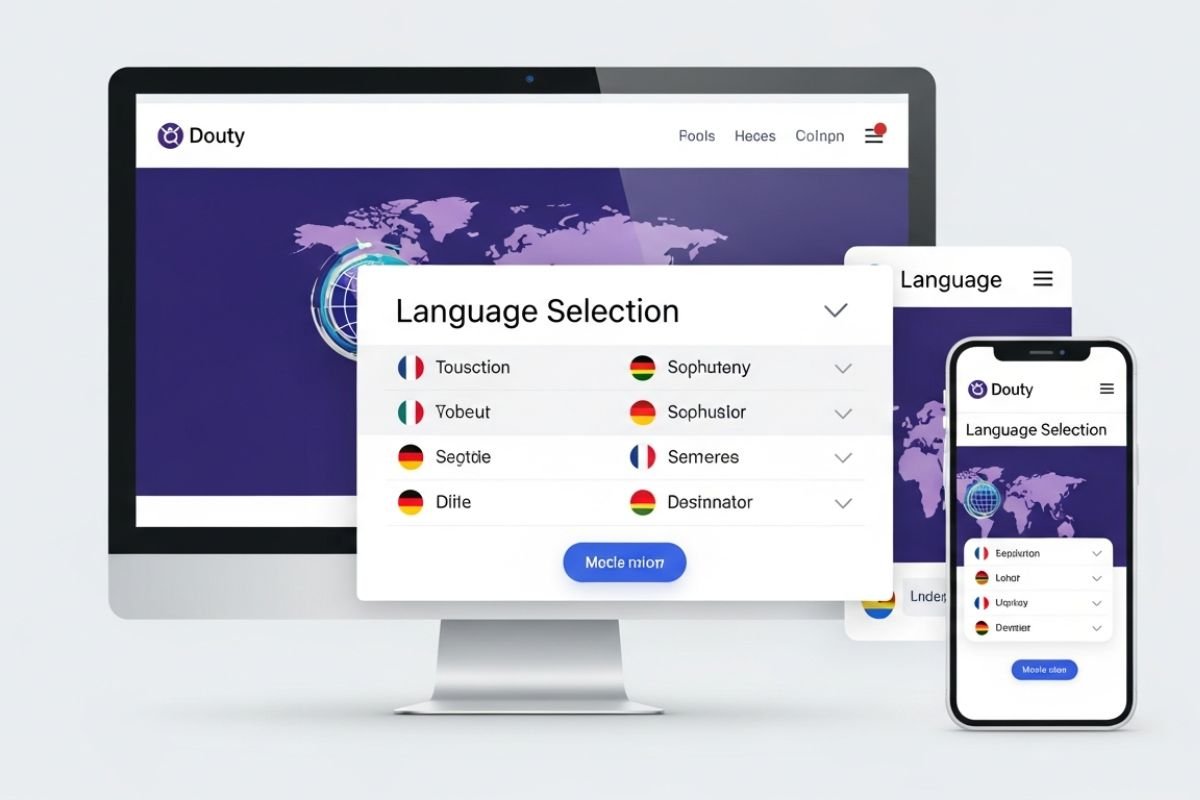
Brands lose trust fast when their website feels foreign.
Global buyers expect more than translated websites. They expect experiences that feel local. In fast-growing regions like APAC, MENA, and LATAM, trust is built through clear language, cultural relevance, and smooth user journeys. When content feels foreign or poorly adapted, users hesitate, leave, and rarely return.
Growth in cross-border eCommerce depends on localized UX, cultural alignment, and language accessibility. Translation is no longer a support task. It is a direct growth driver.
Why Trust Is the Currency of Global Buying Behaviour
Trust drives global conversion. More than 70% of online consumers prefer to buy from websites in their native language, even if they understand English. Buyers feel safer when content feels natural, familiar, and friction-free.
Trust Signals That Influence Global Buyers
- Clear, natural language
- Cultural tone matching local expectations
- Easy-to-read page flow
- Region-specific UX design
Key Trust Drivers
| Trust Signal | Impact on Buyer Behavior |
|---|---|
| Native language clarity | Higher confidence |
| Cultural tone match | Emotional comfort |
| Localized UX layout | Lower bounce rate |
| Familiar phrasing | Faster decision making |
APAC: How Translation Impacts Buyer Confidence
The Expectation of Local-Language Precision (Japan, Korea, China)
In high-context markets, trust is built through tone, formality, and cultural accuracy. Literal translations sound mechanical — and instantly weaken brand trust.
- Precision in tone = higher brand trust
- Cultural phrasing outperforms literal templates
- Politeness structures increase authority
Localization for Mobile-First Shoppers (India, Indonesia, Vietnam)
Mobile users in APAC expect:
- Short, direct sentences
- Highly readable UI content
- Buttons and labels customized for regional usage
Mistranslation = Instant Loss of Trust
One wrong word can derail trust, weaken authority, and quietly kill conversions before they start.
MENA: How Arabic Website Translation Builds (or Breaks) Trust
The Power of Native Arabic Content
Arabic buyers trust brands that speak in natural, native Arabic — not recycled machine-translated text.
- Native phrasing builds authority
- Formal Arabic communicates professionalism
- Dialect awareness increases relatability
Right-to-Left (RTL) UX Shapes Trust
Incorrect RTL formatting creates instant distrust.
Common RTL Trust Breakers:
- Broken text alignment
- Layout shifts
- Misplaced icons
Cultural Sensitivity Is Not Optional
Trust is influenced by religious, social, and cultural messaging.
LATAM: Why Local Spanish Drives Conversions
Regional Spanish Builds Authenticity
| Region | Language Variation Impact |
|---|---|
| Mexico | Direct, conversational phrasing |
| Colombia | Formal-friendly tone |
| Argentina | Expressive, localized slang |
Emotional Tone Drives Buyer Confidence
LATAM audiences respond better to:
- Warm language
- Friendly tone
- Familiar phrasing
The UX Impact: Why Machine Translation Breaks Trust
Machine-translated websites often feel:
- Mechanical
- Emotionless
- Scam-like in tone
Common MT Failures
- Cultural misinterpretation
- Broken sentence flow
- Incorrect formality levels
SEO Impact: Why Localized Pages Rank Higher
Search engines reward:
- Geo-targeted keywords
- Local intent matching
- Region-specific pages
SEO Trust Benefits
Localized ElementSEO Impact
| SEO Element | Impact |
|---|---|
| Local keywords | Higher local rankings [web:5][web:9] |
| Native content flow | Better dwell time [web:6][web:10] |
| Cultural UX | Lower bounce rates [web:7][web:11] |
Brand Perception: Why Native UX Feels Legitimate
Buyers trust what feels built for them.
Brand Perception: Why Native UX Feels Legitimate
Buyers trust what feels built for them.
Local UX Trust Builders
- Local currency formats
- Regional date formats
- Native address structures
- Translated support pages
Case-Style Insight
Brands that improved their website translation quality saw:
- 2x to 3x increase in buyer trust
- Higher engagement rates
- Lower cart abandonment
Checklist: How to Build Trust with Website Translation
- Use human-optimized translation
- Adapt regional dialects
- Implement local UX patterns
- Localize payment and currency
- Translate support pages
- Add local FAQs and policies
FAQs
Why do global consumers trust localized websites more?
Localized websites reduce confusion, feel familiar, and create emotional safety for buyers.
Why is RTL formatting essential for MENA websites?
Incorrect RTL layouts signal low quality and instantly decrease credibility.
Why does regional Spanish matter in LATAM?
Local phrasing increases authenticity, emotional connection, and trust.
Does machine translation hurt conversions?
Yes. It introduces errors, reduces clarity, and damages brand perception.
How does website translation improve SEO?
Localized pages rank higher and match regional search intent better.
Get a Free Website Translation Quote
Stop losing deals to unclear language. Get expert website translations that convert.